




How to Create a Small Kitchen Garden or Potager
A Garden That Feeds Both the Table and the Eye
A potager is not simply a vegetable garden. It is a working garden designed with care, where beauty and usefulness are given equal importance.
Traditionally placed near the house, the potager supplied the kitchen daily while offering a view worth tending. Vegetables, herbs, flowers, and fruit were grown together, arranged with order and intention. Nothing was wasted, and nothing was purely decorative.
To create a potager today is to revive one of the most intelligent garden traditions ever devised.

Choosing the Right Location
A potager must first serve the kitchen.
Ideally, it should be:
-
Close enough to reach in everyday clothes
-
Visible from the house, if possible
-
Sunny for at least six hours a day
-
Well-drained and protected from strong wind
French kitchen gardens were rarely hidden. They were part of daily life—seen, walked through, and used often. Accessibility encourages consistency, which matters more than scale.
Designing the Layout
Even a small potager benefits from structure.
Classic layouts favor:
-
Rectangular or square beds
-
Clear paths between plantings
-
Symmetry or gentle repetition
Raised beds edged in wood, brick, or stone provide clarity and improve drainage. Gravel or crushed stone paths keep the garden usable in all weather and give it a finished presence.
A useful principle: if you can walk the garden easily, you will care for it better.
What to Grow (and Why)
A successful potager balances three categories:
-
Vegetables you cook often
-
Herbs you reach for daily
-
Flowers that support pollinators and beauty
Vegetables that perform well
-
Lettuce, kale, spinach
-
Tomatoes and peppers
-
Zucchini and beans
-
Carrots and radishes
Essential herbs
-
Thyme, rosemary, sage
-
Parsley and chives
-
Basil (planted once frost has passed)
Flowers with purpose
-
Lavendar
-
Calendula
-
Marigolds
These attract beneficial insects and soften the look of edible beds.
One detail many overlook: plant taller vegetables and herbs to the north or center so they do not shade smaller crops.
Preparing the Soil Properly
The success of a potager is determined before the first seed is planted.
Soil should be:
-
Loose and well-aerated
-
Rich in organic matter
-
Slightly acidic to neutral (pH 6.0–7.0)
Incorporate finished compost deeply before planting. French gardeners often amended soil every season, not occasionally. Soil is a living system, not a fixed asset.
If using raised beds, invest in high-quality vegetable soil from the start. It saves years of correction.
Planting With Intelligence
Spacing matters more than abundance.
Overcrowding leads to:
-
Poor air circulation
-
Lower yields
-
Increased disease
Follow spacing recommendations closely, even when the beds look bare at first. Growth fills space faster than expected.
Stagger planting leafy greens every two to three weeks. This creates a steady harvest rather than a single glut.
Caring for the Garden
A potager rewards regular, modest attention.
-
Water deeply rather than frequently
-
Mulch beds to retain moisture and reduce weeds
-
Harvest often to encourage continued production
-
Remove spent plants promptly
Morning watering is best, allowing leaves to dry during the day.
A small, useful habit from estate gardens: keep a basket or trug near the door. Harvesting becomes effortless rather than postponed.
Living With a Potager
The true pleasure of a potager is how naturally it enters daily life.
A handful of herbs cut just before cooking.
Salad greens gathered minutes before serving.
Flowers carried inside without ceremony.
A potager teaches attentiveness without urgency. It becomes part of the household rhythm.
Mrs. Mayfair Reminders
-
Design matters as much as productivity
-
Soil quality determines everything
-
Plant what you truly cook
-
Paths and access are not decorative details
-
A small potager, well cared for, outperforms a large one neglected
I Am Grateful for Today
Gardens that feed the table honestly.
The pleasure of walking outside for supper.
Traditions that remain useful because they were well designed.
From our house to yours,
Mrs. Mayfair
Feature This Collection
Explore our Gardening & Outdoor Living Collection
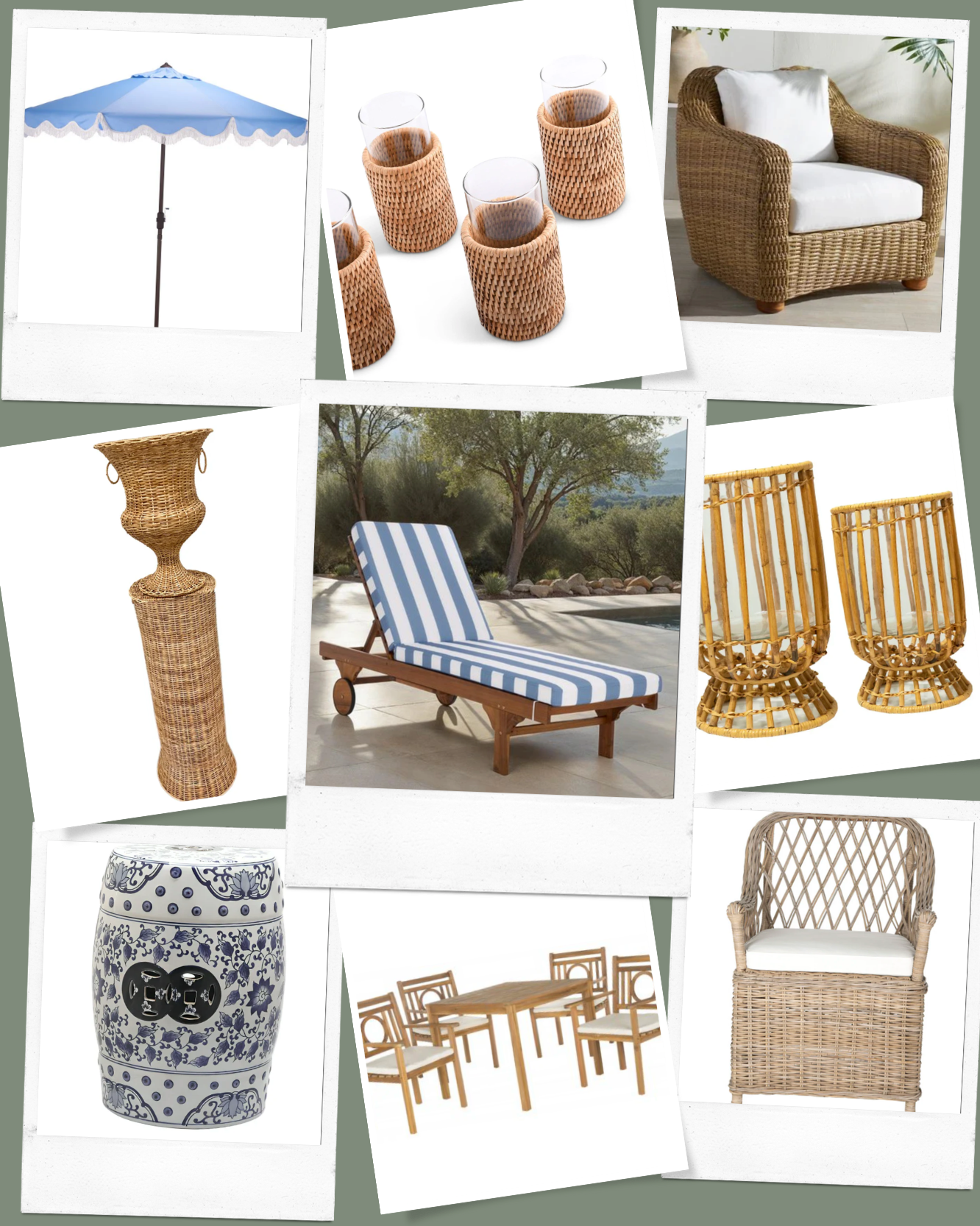
Tools, vessels, and pieces chosen for gardens that are both productive and beautiful.