


The Art of Mixing Old and New: A Collector’s Guide
There is a particular confidence in a home that does not declare its era.
The most compelling rooms are not frozen in a single moment of time. They feel assembled, quietly, thoughtfully, through living, observing, and choosing well. Old and new coexist not for contrast alone, but because each allows the other to feel more alive.
Collectors understand this instinctively. What often causes hesitation is not taste, but permission.
This is that permission.

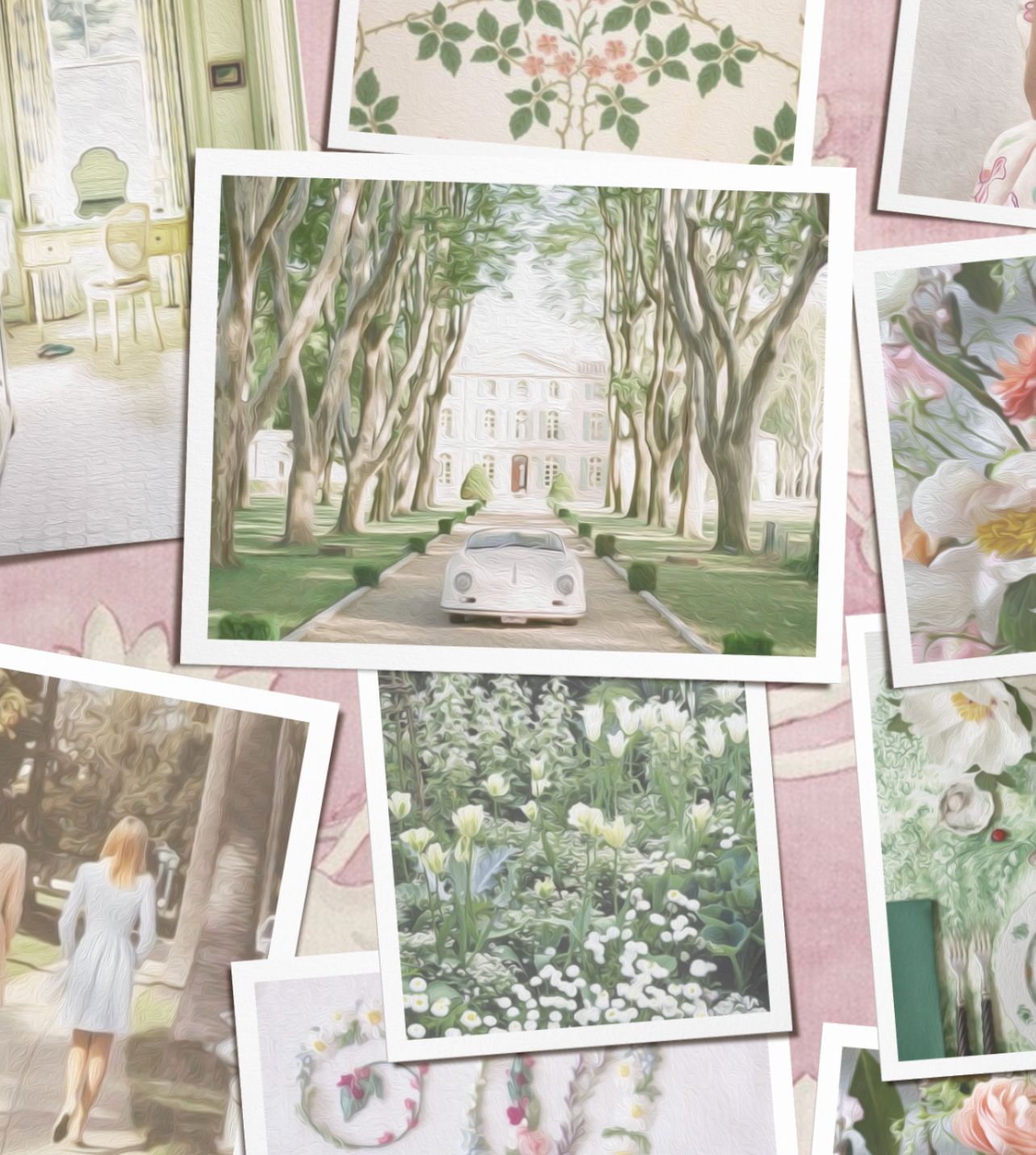
Photograph Courtesy of Martina Mondadori for Cabana Magazine
Why Old and New Belong Together
Antique pieces bring something modern furniture cannot: evidence of use, hand, and survival. Contemporary pieces, when chosen well, offer clarity, comfort, and livability.
When combined thoughtfully, the result is a home that feels alive, not staged.
A useful distinction often overlooked:
-
Old pieces bring authority
-
New pieces provide ease
The mistake is allowing either to dominate.
Start With One Anchoring Antique
Every room benefits from a single piece with age and presence.
This might be:
-
A well-proportioned Georgian chest
-
A gilt mirror with softened edges
-
A refectory table bearing the marks of generations
Collectors know this secret: scale matters more than ornament. A plain antique of good proportions will always outlast a decorative one of lesser quality.
Once placed, the room organizes itself around that anchor.
Let New Pieces Do the Quiet Work
Contemporary furniture should not compete with antiques—it should support them.
Look for:
-
Clean silhouettes
-
Honest materials
-
Excellent construction
Upholstered seating, side tables, and lighting are often best sourced new, where comfort and safety standards matter most.
A subtle truth: many great decorators place new pieces closest to the body and antiques slightly farther away. Comfort first, history second.
Mix by Material, Not Era
Rather than thinking in dates, think in textures.
Antique wood warms lacquer, stone, or metal.
Worn textiles soften crisp tailoring.
Hand-thrown ceramics ground polished surfaces.
A room succeeds when no single finish dominates. Variety creates depth; repetition creates flatness.
Art Is the Great Unifier
Art, whether old or contemporary, has the unique ability to bridge eras effortlessly.
A modern photograph above an antique console, or an 18th-century portrait in a pared-back room, works because art responds to space, not fashion.
A collector’s habit worth adopting:
Hang art slightly lower than expected. It creates intimacy and prevents the room from feeling like a gallery.
Living With Antiques, Not Around Them
A home that feels precious is rarely comfortable.
Antiques were made to be used—tables to dine at, chairs to sit in, silver to be used, then polished and returned to the drawer. When objects are treated with confidence rather than caution, a home feels more authentic.
One of the most reassuring signs of a well-collected house is wear that comes from use, not neglect.
Mrs. Mayfair Reminders
-
Choose proportion over decoration
-
Allow one antique to lead each room
-
Use modern pieces to support daily life
-
Mix materials generously, not timidly
-
Let art bridge time periods
I Am Grateful for Today
A piece with a past that still earns its place.
Rooms that evolve rather than declare.
Homes that feel gathered, not designed.
From our house to yours,
Mrs. Mayfair