


Article: Why We Should All Be Slow Decorating
Why We Should All Be Slow Decorating
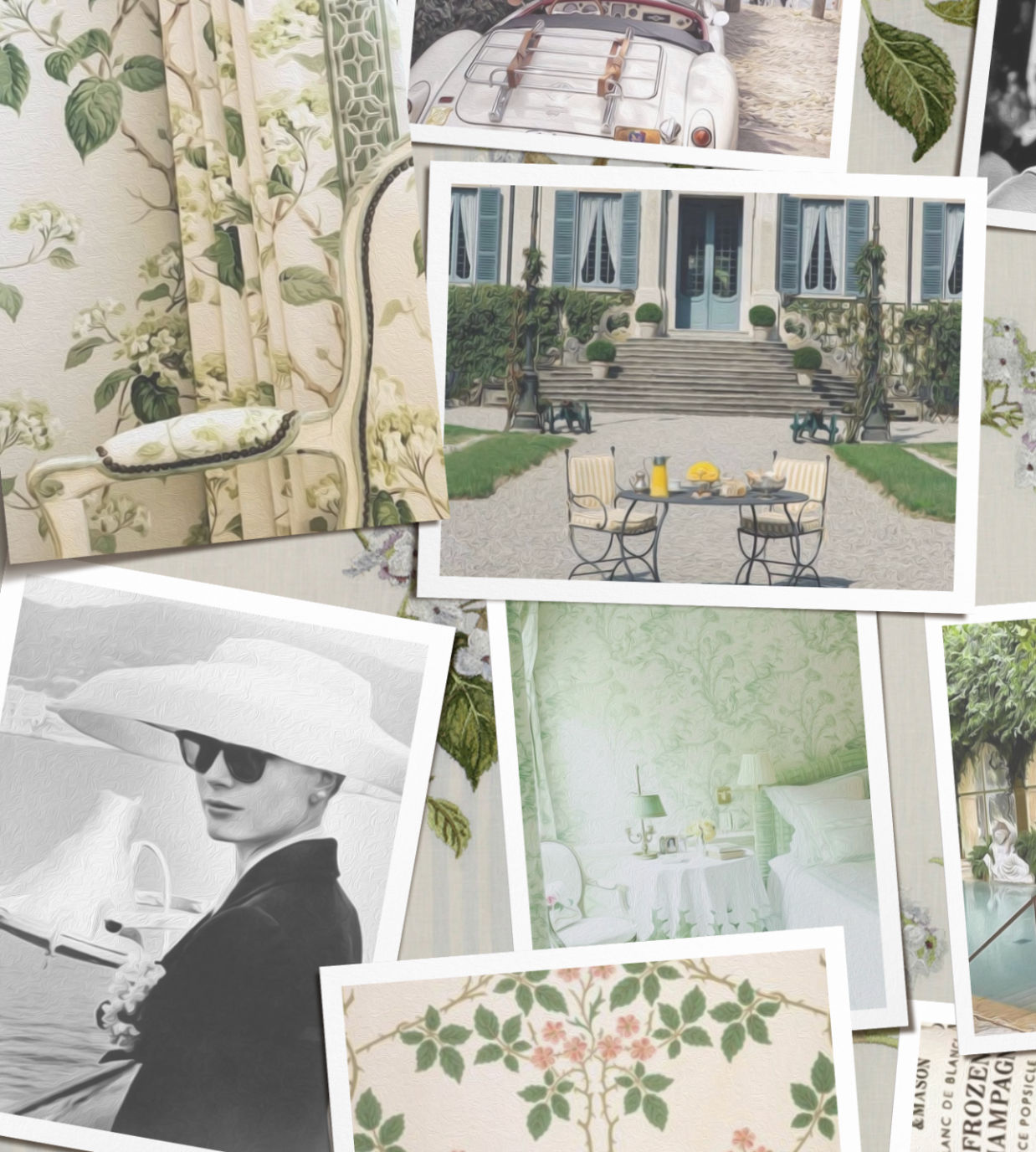
There is a certain calm that settles over a home that has not been rushed. You feel it immediately. Nothing is clamoring for attention. Nothing feels newly placed for effect. The rooms seem to have arrived at themselves over time.
This is what slow decorating offers, and why it has quietly been the way women of taste have furnished their homes for generations, long before it had a name.
I’ve learned this not from trends, but from watching how truly beautiful houses come together: patiently, thoughtfully, often imperfectly, and always with intention.

What Slow Decorating Really Means
Slow decorating is not about doing less. It is about doing things in the right order.
It means allowing rooms to evolve as life unfolds—through seasons, gatherings, children growing, tastes refining. It resists the urge to “finish” a space all at once, because the most compelling interiors are never finished; they are known.
Interior designers with long careers will tell you the same thing quietly, often after years of experience: the homes they admire most are the ones that took time.
And women who truly understand how to live in their houses know this instinctively.
What to Begin With (And What to Wait On)
If there are rules, they are gentle ones.
Begin with what serves daily life:
-
A comfortable, well-proportioned sofa
-
A dining table that welcomes people easily
-
Good lighting where you actually sit and read
-
Beds that feel restorative, not decorative
These are the bones. Everything else can wait.
What should not come first are the finishing flourishes meant to impress—side tables chosen too quickly, art purchased to fill a wall, decorative objects collected without context. Those things reveal themselves later, once you understand how you live.
Perhaps we could say it this way: function teaches taste.
The Quiet Power of Heirlooms (And How to Invite Them In)
One of the most overlooked parts of slow decorating is this: letting family know that you care.
So many beautiful pieces disappear simply because no one asked.
It is perfectly acceptable—and often deeply meaningful—to say to parents, grandparents, aunts, even older friends:
“If there is ever anything you no longer need, I would love to give it a home.”
This isn’t acquisitive. It is reverent.
Heirlooms carry memory, not just form. A chair that has been sat in for decades teaches proportion better than any showroom. A bowl that appeared on the table every holiday knows how to belong.
And if you receive something before you know where it goes, that’s quite all right. Let it wait. Living with an object—moving it from room to room—is part of understanding it.
What Designers Know (But Rarely Say Aloud)
Many decorators will admit, if you ask them privately, that their favorite rooms were not the ones installed all at once.
They were the ones shaped over years:
-
a rug bought on a trip that later anchored a room
-
art that arrived long before the wall it belonged on
-
a table chosen for one house that followed its owner to the next
These pieces teach restraint without austerity. They create continuity. They soften change.
Designers also know this: when everything is new, nothing has authority.
What Women Who Live Well Understand
Women who are truly at ease in their homes are rarely in a hurry to complete them.
They allow rooms to feel unfinished for a while. They move furniture. They wait before committing. They notice how light changes across the year, how people gather, where children drop their bags, where conversation lingers.
They decorate in response to life, not in anticipation of approval.
That is where confidence comes from.
A Few Things Mrs. Mayfair Would Gently Suggest
-
Let a room tell you what it needs next.
-
Keep a list of pieces you admire—and revisit it months later.
-
Ask for family pieces early; they take time to surface.
-
Do forgive yourself if something doesn’t work. That is how you learn.
And perhaps most importantly: do not rush the pleasure of discovery.
Why Slow Decorating Always Wins
A home that comes together slowly carries a kind of quiet authority. It doesn’t chase relevance. It doesn’t explain itself.
It feels personal, thoughtful, and deeply lived-in—because it is.
That is the kind of house that welcomes people without effort.
That is the kind of house that endures.
From Our House to Yours,
Mrs. Mayfair
Perhaps this is the secret after all: when you give your home time, it gives something back.